In many Finger Lakes communities, the nearest doctor’s office isn’t a private practice or a large hospital. It’s a Community Health Center.
 By Mary Zelazny, CEO, Finger Lakes Community Health, with community health center locations in Bath, Geneva, Ovid, Penn Yan, Port Byron, Sodus, and Dundee.
For thousands of families across our region, these centers are the front door to health care, offering checkups, prenatal care, mental health services, and treatment for chronic illnesses close to home. These services not only improve health outcomes, but they also help keep people out of emergency rooms for non-emergency needs.
New York’s Community Health Centers are essential, but they are still funded through a Medicaid payment system that hasn’t been updated since 1999. With reimbursement stuck in the past and the expense of delivering care increasing dramatically, and new coverage losses on the horizon, health centers are nearing a breaking point.
Across New York State, Community Health Centers (CHCs) provide high-quality primary and preventive care to people of all ages, regardless of income, insurance status, or ability to pay. Here in the Finger Lakes, CHCs are a lifeline for rural towns and small cities alike, especially for residents who may not have reliable transportation or access to other nearby providers.
Community Health Centers serve one in eight New Yorkers statewide. New 2024 data show that health centers in the Finger Lakes cared for more than 135,000 local residents. At Finger Lakes Community Health,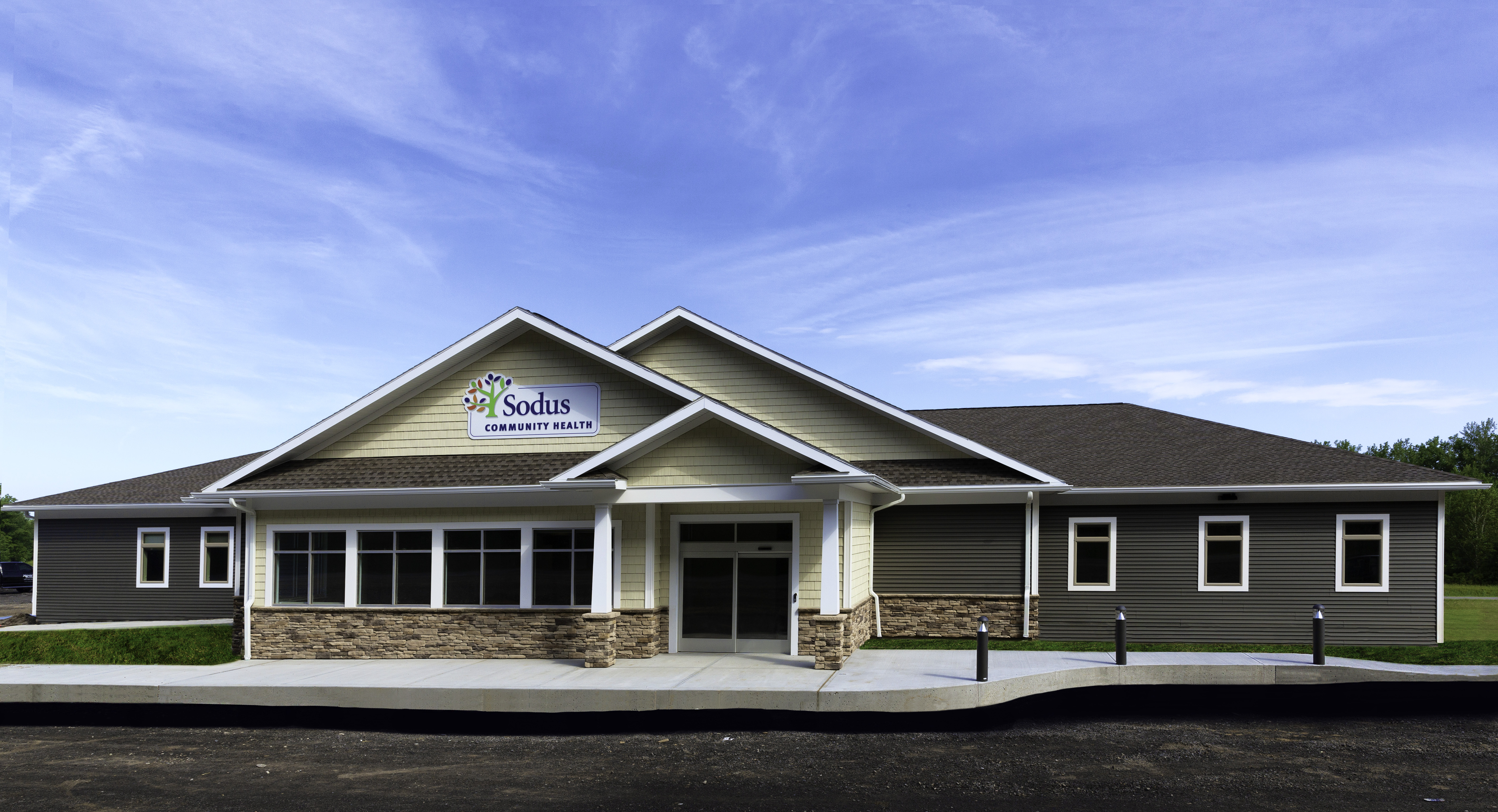 we cared for more than 28,000 patients in 2024. Yet despite their importance, CHCs are funded through a Medicaid payment system that no longer reflects the real cost of care. With the Governor’s new budget year, there is an opportunity to fix this outdated system, demonstrate it’s commitment to CHCs, and improve healthcare access to New Yorkers.
In addition, health centers face rising costs for staffing, technology, supplies, facility maintenance, and regulatory requirements. But reimbursement has not kept pace. This long-term underfunding makes it harder for CHCs to recruit and retain health care workers, maintain services, and meet patients’ growing needs.
The situation is about to get worse.
Proposed federal Medicaid cuts could leave more than 1.5 million New Yorkers without health insurance coverage. The Finger Lakes would be deeply affected since we already face health care workforce shortages, an aging population, and adults living with chronic diseases. It will certainly harm health centers like ours. We will continue to provide care to anyone who needs it, but without Medicaid reimbursements, it will cost CHCs in New York State an estimated $300 million in revenue.
And this isn’t only a Medicaid issue. When Community Health Centers struggle, emergency rooms fill up, hospitals absorb higher costs, and entire communities lose access to timely primary care.
This underfunding of CHCs would force staff layoffs and cuts to critical services. This would mean fewer prenatal visits for expecting mothers, longer waits for mental health care, and children losing access to school-based health centers, dental care, and preventive services.
The consequences would be felt far beyond health center walls. Community Health Centers are also major employers in the Finger Lakes, providing stable jobs and supporting local economies. When centers are forced to reduce staff or cut programs, patients experience delays in scheduling appointments, longer travel distances, and disruptions in care. Often, these delays lead to more serious health problems that are harder (and far more expensive) to treat.
New York State can prevent this situation, but Albany must act this legislative session.
State leaders should modernize Medicaid reimbursement for Community Health Centers by passing legislation such as A.67 (Paulin) and S.4589 (Rivera), ensuring payments reflect today’s real costs. They must also strengthen the health center safety net so CHCs can continue to serve both insured and uninsured patients without reducing essential care.
The Finger Lakes have a strong tradition of neighbors helping neighbors and community-based solutions. Investing in Community Health Centers honors that tradition and protects access to care for families across our region.
Failing to act would weaken the health care foundation of the Finger Lakes, leaving more residents without timely care and worsening health outcomes across New York. The health of our communities and the strength of New York’s entire health care system depend on it.