When it comes to nutrition, many of us feel confused.
 By Carissa Jensen, RN, MSN, CDCES, Clinical Nurse Specialist Care Coordinator, Finger Lakes Community Health
We’ve heard words like nutrient-dense foods, fiber, and protein, but what do they really mean? And how do they relate to prediabetes and good nutrition? Let’s break it down in a simple way.
What Does “Healthy Eating” Really Mean?
For many years, our culture focused on dieting. We were told to cut calories, skip meals, or try the latest fad diet. But healthy eating is not about starving yourself. Your body needs fuel to think, move, breathe, and live. Instead of focusing on eating less, we should focus on eating better. Nutrient-dense foods are one way to do this.
What Are Nutrient-Dense Foods?
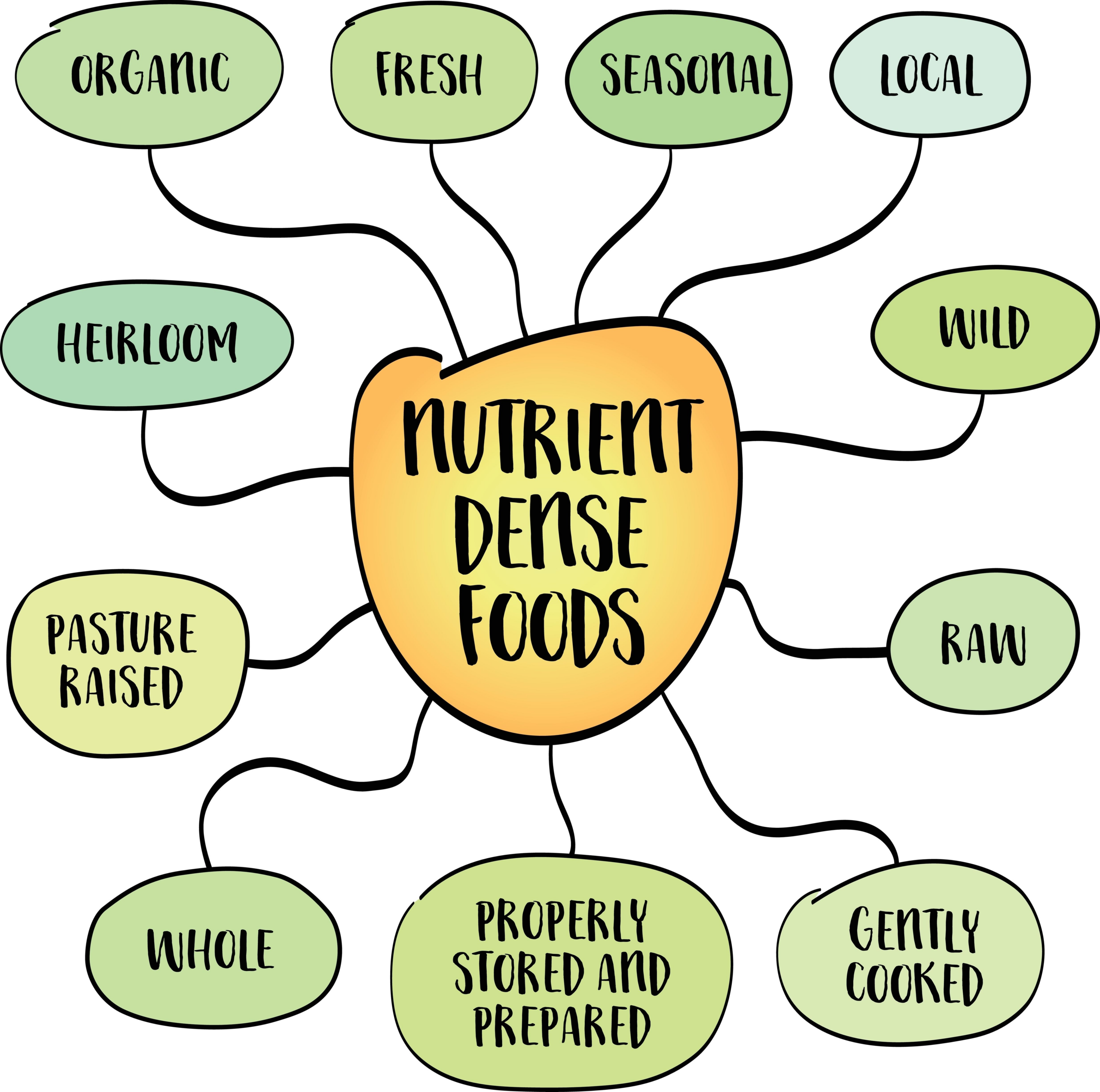
Nutrient-dense foods give your body fuel and the necessary vitamins and minerals. Examples of nutrient-dense foods include foods high in protein and fiber like:
- Fresh vegetables like broccoli, spinach, and cauliflower
- Fruits like berries
- Beans, lentils, and chickpeas
- Lean proteins like chicken, turkey, eggs, and fish
- Whole grains like brown rice and whole wheat bread
These foods are lower in sugar and unsaturated fats and keep your blood sugar steady.
Why Protein and Fiber Matter
Two of the most important nutrients for preventing extreme blood sugar spikes are protein and fiber. Protein helps build and repair muscles. It also keeps you full longer. Good sources include:
- Chicken breast (not fried chicken tenders)
- Turkey (without the skin)
- Fish
- Eggs
- Greek yogurt
Not all protein is created equally. A grilled chicken breast is a good source of protein rather than a breaded chicken nugget. The less processed the food, the better.
Fiber is found in vegetables, fruits, beans, and whole grains. It slows down how fast sugar enters your bloodstream. That helps prevent sudden spikes in blood sugar. It also helps lower cholesterol, makes you feel full, and supports heart health.
The key to preventing blood sugar spikes is to eat protein and fiber first at meals.
How to Buy Healthier Foods
One of the simplest tips: Read the ingredient list. 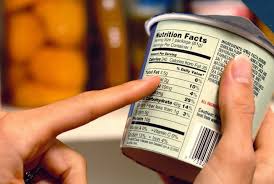
The shorter the ingredient list, the better.
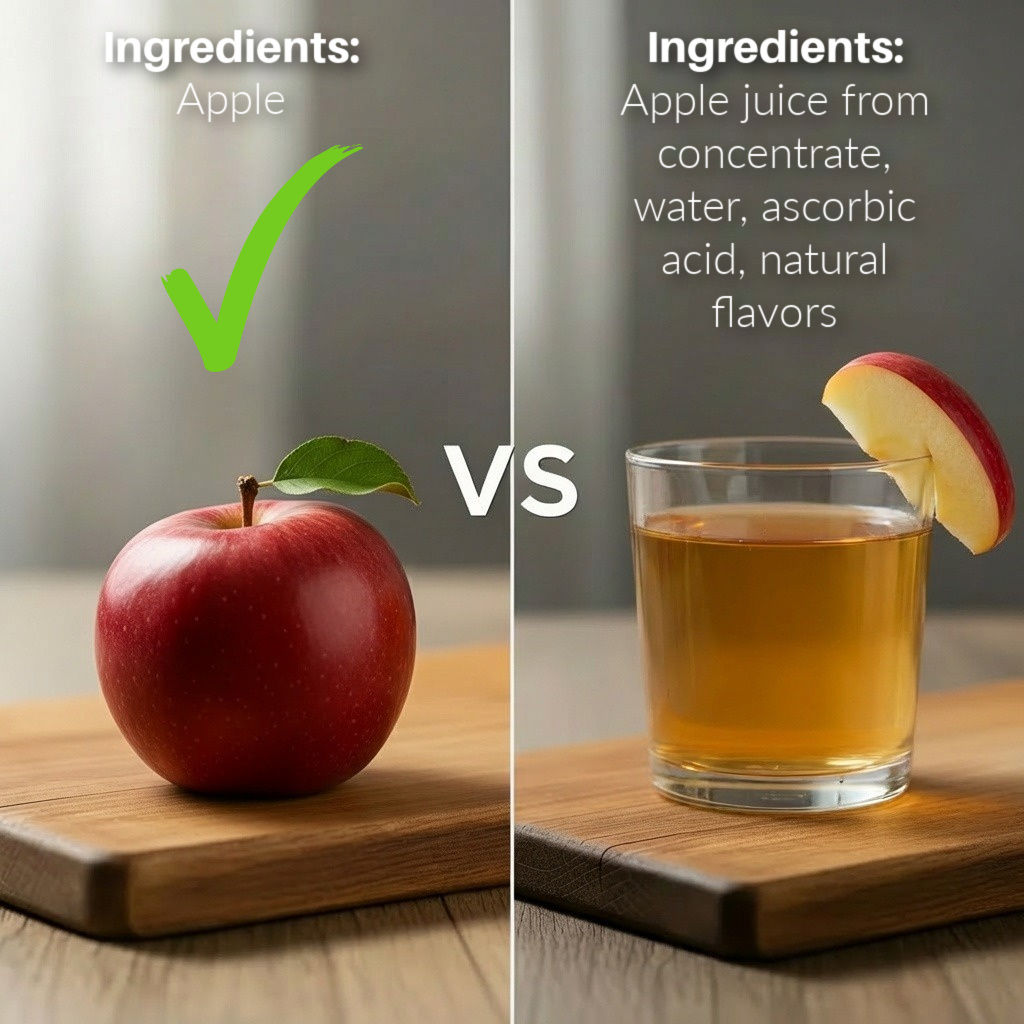
- A fresh apple has no ingredient list.
- Plain chicken breast may list just “chicken.”
- Chicken nuggets will list many added ingredients.
Avoid:
- Foods high in added sugar
- Juice and soda
- Products with high fructose corn syrup
 If you must buy canned fruit, look for fruit packed in water, not syrup. Also, pay attention to portions. A small amount of rice or pasta is okay, but it should take up only a quarter of your plate (a ½ cup serving). Fill most of your plate with protein and vegetables first.
Diet Culture and Skipping Meals
Many of us grew up thinking we should eat as little as possible to stay healthy. But skipping meals can backfire. If you don’t eat, your body thinks you are “starving” and may release stored sugar for energy. This can raise your blood sugar — even if you haven’t eaten anything.
Starting your day with only coffee (especially coffee loaded with sugar and creamer) leads to spikes and crashes. Adding protein — like eggs, Greek yogurt, or even a protein shake, with your coffee — helps keep your blood sugar steady and prevent crashes in energy levels and blood sugar.
What Is Prediabetes?
Prediabetes means your blood sugar is higher than normal, but not high enough to be called diabetes.
The American Diabetes Association recommends screening start at age 35. You should also be screened if you:
- Are overweight
- Had gestational diabetes
- Have a family history of diabetes
Prediabetes can often be reversed with healthy eating, weight loss (even 5–7% of body weight), and physical activity. Once diabetes develops, it cannot be reversed — it can only be managed.
When Should You Talk to Your Provider?
Watch for these signs:
- Unintentional weight loss
- Increased thirst and hunger
- Increased Urination
- Feeling tired or “off”
- Rapid weight gain
Even without symptoms, talk to your provider if you are 35 or older or have risk factors. Early action makes a big difference.
How Finger Lakes Community Health Can Help
Finger Lakes Community Health (FLCH) offers screening for prediabetes and diabetes. They also provide education and support through their American Diabetes Association Education Program.
FLCH has:
- Providers who can order lab tests
- Staff who can provide necessary education for people with prediabetes, Type 1, Type 2, and gestational diabetes
The most important step? Start the conversation.
Ask your provider to connect you with the necessary educators today. Your body needs fuel. With the right information and support, you can protect your health — one balanced plate at a time.