Heart disease remains the leading cause of death in the United States and around the world.
 The good news is that many risks can be reduced through healthy habits and early recognition of warning signs. Understanding how stress, medications, and symptoms affect the heart can help people protect their health.
By Dr. Pedro Gonzalez, Geneva Community Health, part of Finger Lakes Community Health.
Risk Factors for Heart Disease
Several factors can increase the risk of heart disease. These include:
- Smoking
- High cholesterol
- Diabetes
- Family history of heart disease
- Being overweight
- Lack of physical activity
These risks are especially important for men over 55 and women over 65.
Don’t Ignore Stress and Other Warning Signs
Stress does more than affect how we feel. It can also affect the heart.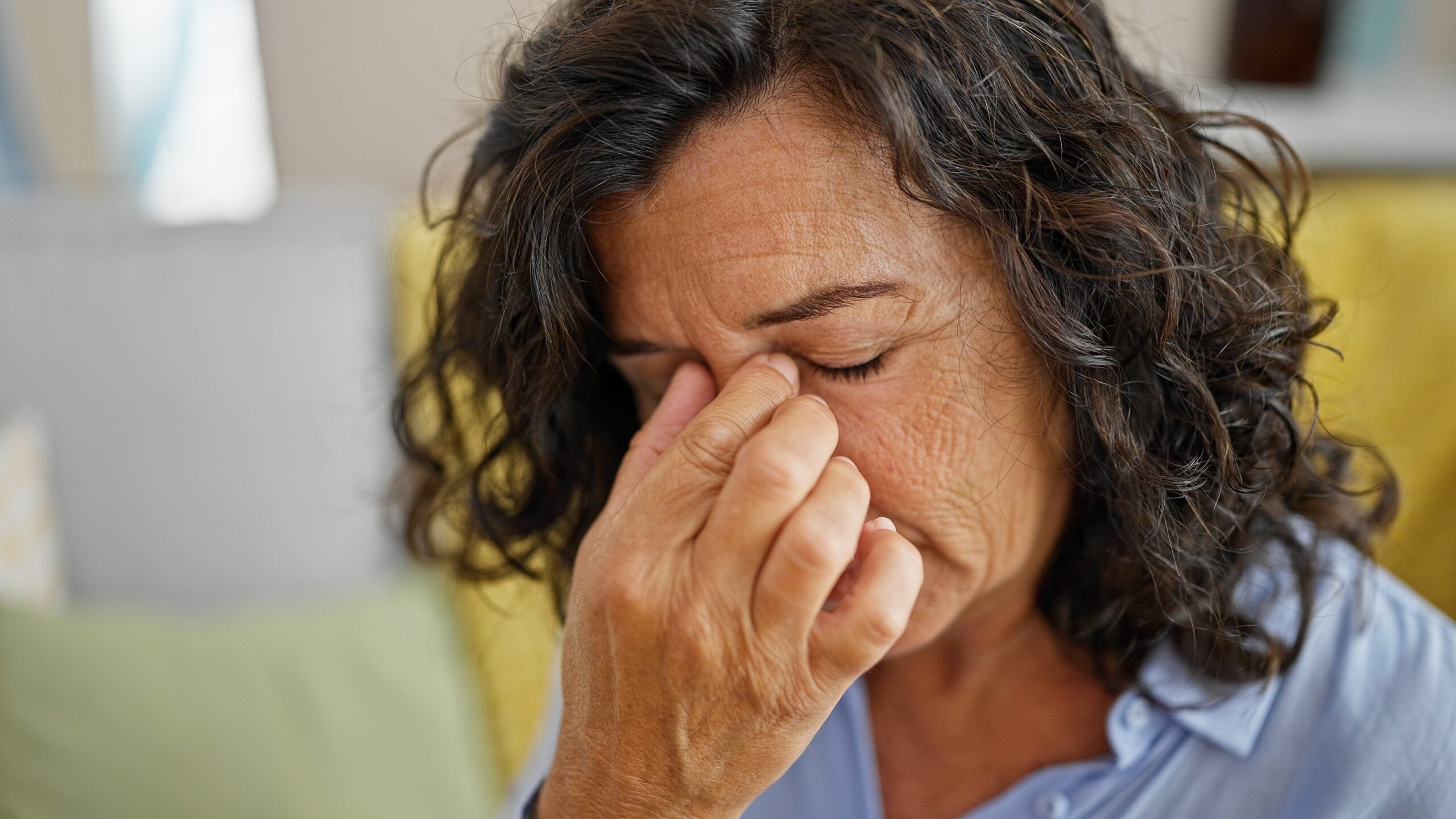
When people live with ongoing stress, their bodies stay in what medical professionals call “fight or flight” mode. This causes the heart to beat faster and blood pressure to rise. Over time, this constant strain can damage blood vessels and increase the risk of heart disease.
Doctors also look for signs such as poor sleep and constant fatigue. When people do not sleep well, their bodies remain in a state of stress. This can lead to higher heart rates and blood pressure.
Physical signs of stress may also appear. For example, some people develop fine tremors or shaky hands when their nervous system is overstimulated. Managing stress is an important part of heart health. Regular exercise, good sleep habits, and taking time to relax can help reduce the strain on the heart.
Warning Signs of a Heart Attack
Many people expect sudden and severe chest pain, but symptoms are not always that obvious.
Common warning signs include:
- Chest pain or pressure lasting more than 10 minutes
- Burning or tightness in the chest
- Pain that spreads to the arm, neck, or jaw
- Shortness of breath
- Sudden weakness or dizziness
If chest pain lasts longer than 10 minutes, doctors recommend calling 911 immediately rather than waiting or driving to the hospital. Emergency responders can begin treatment right away. Unfortunately, some people wait too long. They may try to sleep it off or wait until the next day to call their doctor. This delay can be dangerous.
Women Often Have Different Symptoms
Heart disease symptoms can look different in men and women. Men often experience the classic sign of chest pain that spreads down the left arm. Women, however, frequently have less typical symptoms, which can make heart disease harder to recognize.
Women may experience:
- Pain on the right side of the chest
- Stomach pain or nausea
- Symptoms that feel like heartburn or reflux
- Severe headaches or pressure in the head
These symptoms can actually be signs that the heart is not getting enough oxygen. Since symptoms may seem unrelated to the heart, women sometimes delay getting medical help. That delay can make treatment more difficult.
ADHD Medications and the Heart
Medical providers are also paying closer attention to stimulant medications used to treat ADHD. These medications can help people focus and manage attention problems. However, stimulants can also affect the cardiovascular system. They may increase heart rate and blood pressure. The risk can be higher when stimulants are misused or combined with other stimulants, such as energy drinks. This combination can place additional strain on the heart.
Doctors are especially cautious with stimulant use in older adults, because the risk of heart attack or stroke increases with age. If someone taking these medications experiences symptoms such as a racing heart, trouble sleeping, or unusual fatigue, they should speak with their healthcare provider.
The Bottom Line
Heart disease is a serious health problem, but awareness can save lives. Understanding how stress, medications, and symptoms affect the heart can help people recognize problems earlier.
If something does not feel right, especially chest pain or unusual symptoms, do not wait. Seek medical care right away. Taking care of your heart today can protect your health for years to come.