Sneezing. Itchy eyes. Wheezing. A runny nose.
Trouble breathing.
By Dr. Azfar Ahmed, Penn Yan Community Health
It can be hard to tell whether these symptoms are caused by allergies, asthma, a cold, or another illness. This is especially true for children, who may not always know how to explain how they feel.
The good news is that allergies and asthma can often be treated and controlled. With the right care, children and adults can stay active, sleep better, and avoid serious breathing problems.
What Are Allergies?
Allergies happen when the body reacts to something that is usually harmless. Common allergy triggers include pollen, dust, mold, pet dander, smoke, and certain foods.
Common signs of allergies include: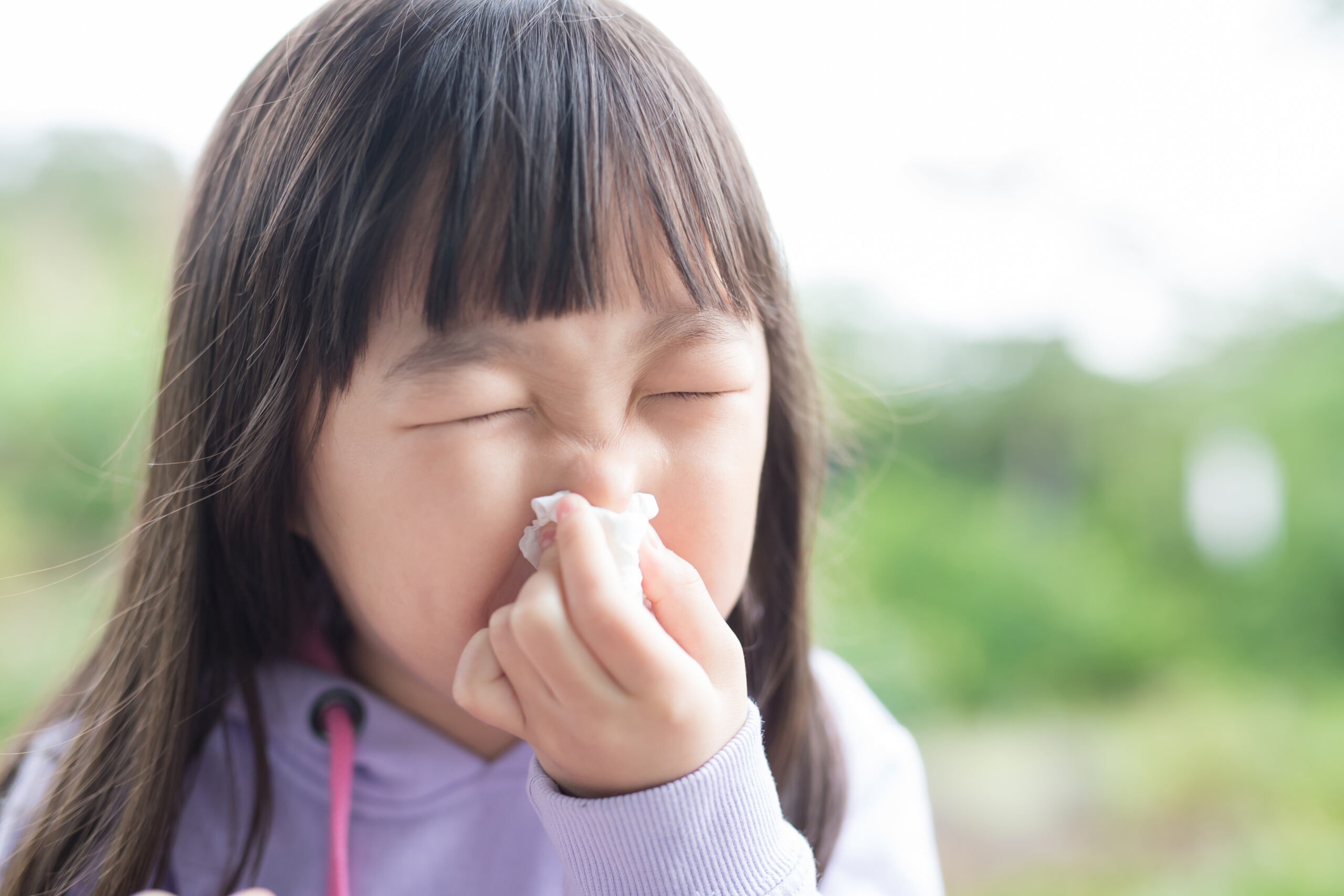
• Sneezing
• Runny or stuffy nose
• Itchy or watery eyes
• Itchy throat or ears
• Coughing
• Skin rashes or hives
Children with allergies may rub their noses often, breathe through their mouths, or seem tired because they are not sleeping well.
Food allergies are different from seasonal allergies. Some people discover a food allergy only after eating the food and having a reaction. Reactions may include hives, swelling, vomiting, or trouble breathing.
What Is Asthma?
Asthma affects the lungs and airways. The airways become swollen and narrow, making it harder to breathe. Common signs include wheezing, shortness of breath, chest tightness, frequent coughing, especially at night, trouble keeping up with exercise or play, and feeling tired after activity.
Allergies and asthma are often connected. In fact, allergies can sometimes trigger asthma symptoms. Asthma is often an allergy that has gotten out of control.
Symptoms may come and go. They can also get worse during allergy season, exercise, cold weather, illness, or when someone is around smoke or strong smells.
How Can You Tell the Difference?
Many symptoms of allergies, asthma, and respiratory illnesses overlap. But there are some important clues.
Allergies:
• Usually do NOT cause a fever
• Symptoms can last for weeks or months
• Itching is common
• Symptoms often happen around triggers like smoke, pollen, pets, or dust
Colds and Viruses:
• Often include fever, body aches, or sore throat
• Usually improves within 7–10 days
• Thick mucus is common
Asthma:
• Often causes wheezing or chest tightness
• Symptoms may get worse at night or during exercise
• Breathing problems may come and go
What Treatments Help?
Treatment depends on the person and what is causing the symptoms.
Allergy treatments may include antihistamines, nasal sprays, eye drops, allergy testing, and allergy shots.
Doctors may also recommend simple at-home changes, such as:
• Using HEPA air cleaners
• Washing bedding often
• Keeping windows closed during high-pollen days
• Showering after spending time outdoors
• Reducing dust and pet dander
Asthma treatment often includes inhalers and medicines that help open the airways or reduce swelling in the lungs.
Some people may need:
• A rescue inhaler for sudden symptoms
• Breathing treatments with a nebulizer
• Allergy medicine to help control asthma symptoms
One medicine commonly used for allergies and asthma is montelukast. It helps reduce allergy-related swelling that can affect breathing.
Can Children Outgrow Asthma or Allergies?
Some children improve as they get older, but not everyone completely outgrows asthma or allergies. Asthma symptoms may become milder over time, but they can still return later in life.
Children may outgrow some food allergies, while seasonal allergies may improve, stay the same, or sometimes worsen. Adults can also develop new allergies later in life.
Why Prevention Matters
Doctors say one of the best ways to reduce allergy and asthma symptoms is to avoid triggers like cigarette smoke, vaping, marijuana smoke, campfires, and strong household irritants.
Secondhand smoke is especially harmful for children. Even when adults smoke outside, smoke particles can stay on clothing, hair, and skin. Pets can also trigger symptoms in some people, especially when pet dander or kitty litter builds up indoors.
Air cleaners with HEPA filters can help remove allergens from the air and make it easier to breathe.
When Should You Seek Medical Care?
Talk with your primary care provider if you or your child frequently coughs or wheezes, has trouble breathing, misses school or activities because of symptoms, uses a rescue inhaler often, or has symptoms that do not improve.
Emergency care is needed if someone has severe trouble breathing, blue lips, rapid breathing, or trouble speaking because they cannot catch their breath.
With the right treatment and support, most people with allergies and asthma can live healthy, active lives.