OpEd: The Power of Rural Health
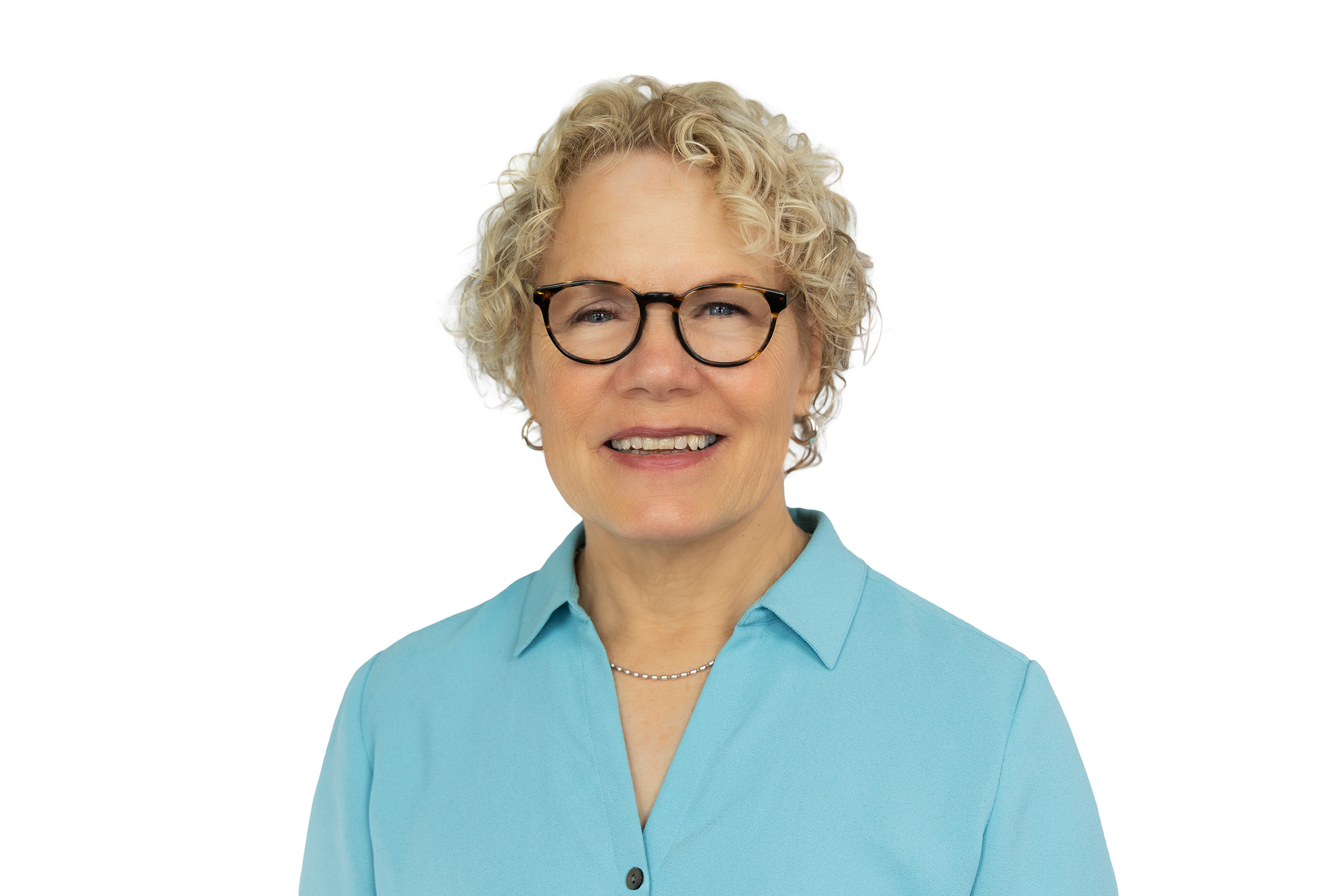
By Mary Zelazny, CEO, Finger Lakes Community Health.
In rural communities, getting to a doctor’s appointment can mean driving an hour, missing work, or losing a day’s pay. Yet when people talk about rural healthcare, they often focus on what our communities lack. What they sometimes miss is the strength of the people who live and work here.
Rural communities face real challenges. We have fewer healthcare providers, limited transportation, and higher rates of chronic disease. These problems deserve attention and resources, but they do not define us. Rural communities are also places of great strength, strong relationships, and people who care deeply about one another.
As CEO of Finger Lakes Community Health, a Community Health Center serving several rural counties in New York’s Finger Lakes region, I see both the challenges and the strengths of rural healthcare every day. Our patients live across a large area, and many face barriers to getting the care they need. These realities require us to think differently about how we deliver healthcare.
One of the greatest strengths of rural communities is the relationships we build. Trust does not happen overnight. It grows when people listen, understand each other’s needs, and follow through on their promises. Our healthcare teams often know their patients, their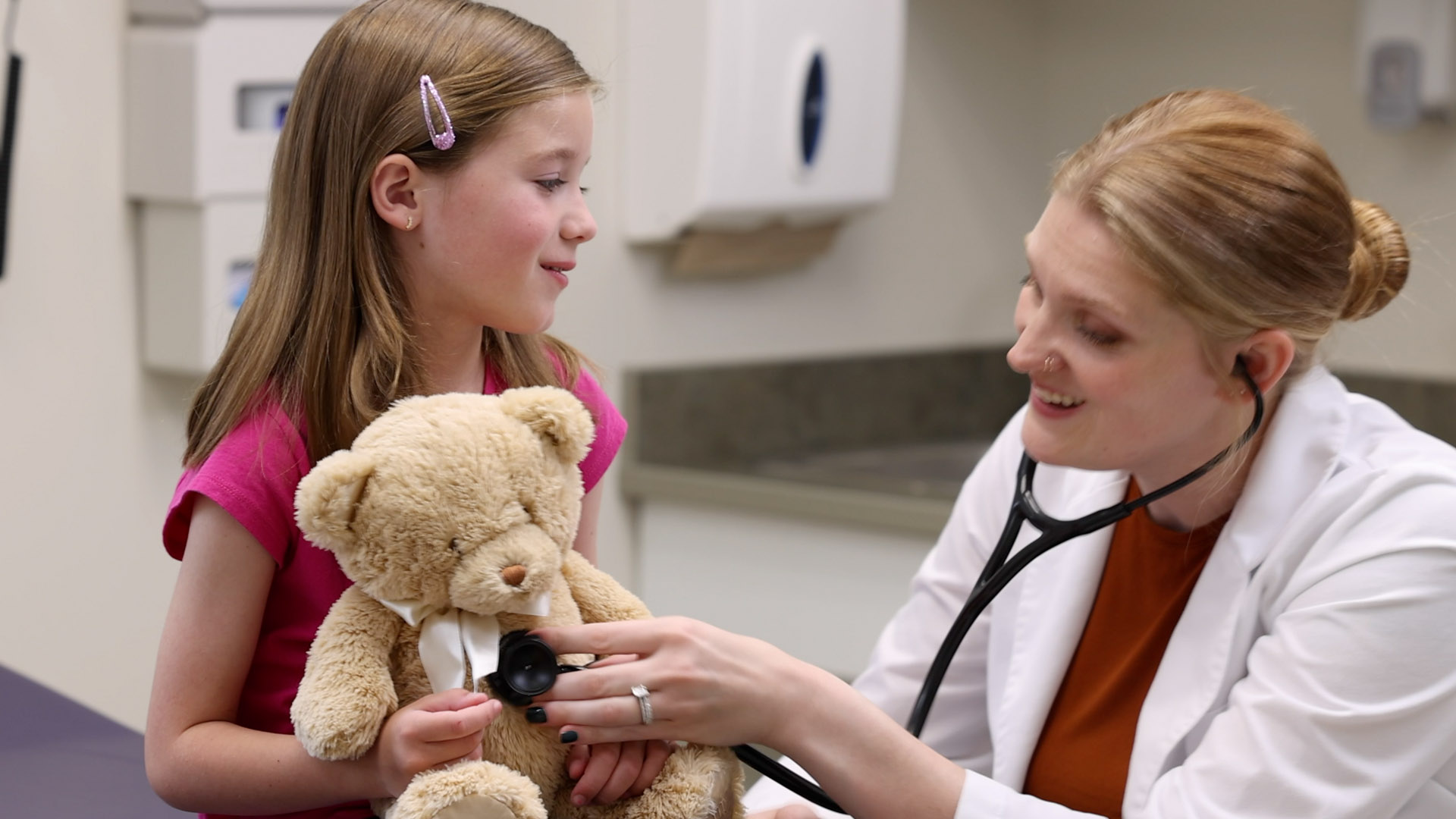 families, and the communities where they live. These connections help us better understand what people need and find ways to provide care that works for them.
Another strength is our ability to work together. When resources are limited, partnerships are not just helpful; they are essential. Community health centers, hospitals, public health departments, mental health providers, schools, and local organizations must work together to meet the needs of rural residents.
At Finger Lakes Community Health, these partnerships are central to our work. Whether we are expanding school-based health services, bringing mental health services into primary care, or helping patients find healthy food and transportation, we know that no single organization can meet every need. Working together allows us to share resources, expand services, and find solutions that make a difference.
Rural healthcare also requires us to be creative. We cannot assume that programs designed for large cities will work in small towns. We need to be willing to try new ideas, use technology to improve access, and bring services closer to where people live and work. We must also recognize that good health depends upon much more than what happens during a medical appointment.
Despite these strengths, serious challenges remain. Rural residents often have fewer choices for healthcare, greater difficulty getting specialty services, and higher rates of chronic illness. Addressing these problems takes continued investment, thoughtful policies, and an understanding that rural communities have different needs than urban areas.
For me, the Power of Rural also means having a voice.
Too often, decisions about healthcare funding, services, and policies are made without fully understanding the realities of rural life. The people who live and work in these communities know their challenges, their strengths, and what is most likely to succeed. Their voices must be heard when decisions are made about their future.
Rural communities need more than recognition. We need a meaningful place at the table and the resources to build on what is already working. Solutions must reflect the needs of the people they are meant to serve.
Ultimately, the Power of Rural is found in the people who show up every day. It is found in our healthcare teams, community leaders, and valued partners who work together to make rural communities healthier and stronger.
Rural communities should not be defined by what they lack, but by what they accomplish together. Our responsibility is to build on those strengths, speak up for the resources our communities deserve, and make sure that where someone lives does not determine the quality of healthcare they receive.